Residential Roof Installation: Considering Tile Roofing
Choosing a new roof is one of those decisions that sounds simple until you stand on the ground with rain coming in sideways and you can see the underside of problems through attic stains. The roof is the system that takes the hit from wind, rain, hail, ice, snow, and fire exposure. When it is designed, installed, and maintained well, it can reduce damage from those hazards. When it is not, you end up doing roof repair year after year, patching what should have been fixed at the source.
Tile roofing gets a lot of attention because it looks substantial and because many homeowners associate it with long-term performance. The real question, though, is not whether tile “sounds durable.” The question is whether a tile roof installation fits your home, your climate and hazards, your roof deck condition, and the way your flashing and underlayment are built. Tile can be an excellent choice when those pieces line up, and it can be frustrating when they do not.
Start with the roof you have, not the roof you want
Before anyone talks about tile, most experienced contractors start with the actual roof problem. A common rule of thumb is that small, isolated problems can often be repaired, while older roofs, widespread damage, recurring leaks, or multiple trouble spots may justify replacement. That rule of thumb matters because replacement is not only about the visible surface. It is about what is happening under it: decking integrity, water intrusion pathways, and whether repeated repairs have already changed how the roof performs.
Roof inspection usually reveals whether the issue is truly localized. Sometimes a homeowner thinks the leak is coming from a worn shingle area, but the real water entry is at a flashing detail, a transition, or a penetration. Tile roofing tends to magnify that difference. It does not “fix” poor flashing work. If water can find a path, it will still find a path under tile, just with different failure points.
If you are dealing with roof leak repair, or you are sorting out roof replacement after leak damage, the inspection should follow the evidence, not the guess. Stains in the attic, discoloration around penetrations, rust trails at metal components, and patterns after storms help narrow the likely entry points.
There is also the timeline question. If you are in the middle of an event or right after one, emergency roof repair may be necessary to stop active intrusion. That does not mean you are committing to a full roof replacement. It means you are controlling the problem while the contractor evaluates whether repair is still reasonable or whether the roof has already moved into “replacement territory.”
What “tile roofing installation” really means
When people say “tile roof,” they often picture only the top layer. In practice, a successful residential roof installation is a system. Even in a typical roof replacement process, the work is more than swapping the outer material. A typical replacement includes removing old roofing materials, installing new underlayment and roofing materials, replacing flashings and ridge caps, and cleaning up the site. Those same categories matter when you are moving to tile.
Tile installation adds its own set of decisions, especially around how the underlayment and flashing are executed beneath the tile. Flashings and ridge caps are where a lot of water behavior gets decided. If those components are handled poorly, you might end up with recurring roof repair needs even if the tile pieces themselves look fine.
From an owner perspective, that means you should ask questions that go beyond “Can you install tile?” You want to know how the contractor plans to handle the roof deck condition, the underlayment approach, and the flashing plan at edges, valleys, roof-to-wall transitions, chimneys, vents, and skylights. The goal is to make sure the roof’s water management layers are consistent and continuous, not patched together.
The repair versus replacement decision, applied to tile
A tile roof decision often starts during roof inspection when the contractor looks at the roof age and the extent of damage. The same general guideline applies: isolated issues can often be repaired, while older roofs with widespread damage or recurring leaks may justify replacement.
With tile, replacement decisions can be triggered by different indicators than asphalt shingles. You might see damage patterns that suggest underlying water exposure, or you may notice evidence that repeated intervention hasn’t stopped the underlying pathway. If you have multiple trouble spots, it is rarely sensible to keep chasing them one by one with roof repair. Each patch can change how the surrounding layers perform, especially at interfaces like flashings and transitions.
This is also where fire damage roof replacement can come into the conversation. Post-event evaluation is important because hazard exposure can affect more than the outer finish. Properly designed roofs can reduce damage, but when the hazard has gotten into materials and assemblies, the question becomes whether repair restores the system or whether replacement is the safer, more complete fix. A good contractor will evaluate the condition after the event and explain why repair is feasible or not.
Why tile can be a great fit, when the details are right
Tile roofing often appeals to homeowners for reasons that are easy to recognize: a distinctive look and the feeling that the roof is built to last. But the lived experience side is more specific. Tile can work very well when:
- The roof deck is in acceptable condition and is addressed before tile goes on.
- Underlayment and flashing are installed as true layers of defense, not afterthoughts.
- Penetrations and transitions are detailed carefully, because those are common leak paths.
- The contractor plans the installation sequence in a way that keeps water out during the work period.
When those factors are aligned, tile can become a stable, long-term surface over a properly managed roof system.
That said, tile is not the only durable option. If you are comparing products, consider the installation quality more than the marketing language. Asphalt shingle roofing is dominant in residential construction in the U.S., and architectural shingles are a premium laminated type of asphalt shingle. Asphalt shingles also have a typical service life guideline of about 20 to 30 years, depending on conditions. That does not automatically make asphalt “better” or “worse” than tile, but it gives you a baseline for how homeowners commonly think about roof replacement timelines.
If you have an older roof nearing its expected lifespan and you are already paying for repeated roof leak repair, the economics usually push toward roof replacement rather than continued patching. The roof replacement cost varies widely by size, materials, and project complexity, and averages should be treated as context rather than expectation. For example, one reported average 2023 roof replacement cost for an asphalt shingle roof is about $14,959, but your actual figure could be different depending on your roof and scope.
Tile tends to sit in a different cost and value conversation. Even without quoting numbers, most homeowners feel that shift in their decision because replacement is a major investment. The real question is whether the installation will be thorough enough to make that investment pay off in fewer problems over time.
Tile trade-offs: what homeowners should know early
There are trade-offs to any roofing material, and tile is no exception. The trade-offs are not just about the surface. They usually show up in these areas:
- The complexity of flashing details at edges, roof-to-wall transitions, and penetrations.
- The importance of the underlayment layer as the first defense, not the last line of protection.
- The need for careful installation sequencing during the project to prevent exposure.
A lesson that comes up in roofing circles is that the “hard part” is often the part you cannot see after the job is done. You can stand under the finished roof and admire the rows of tile, but what determines whether you will need roof repair again is frequently what happens under and around the tile.
If a contractor is rushing, skipping steps, or treating flashings as minor components, that is a warning sign regardless of material. A proper replacement process includes replacing flashings and ridge caps. That is part of why typical roof replacement work is more than a top-layer swap.
How to choose a contractor for a tile installation
Contractor selection is where decisions either protect you from future headaches or set you up for repeat problems. The major manufacturers and safety-minded guidance consistently point homeowners toward using professional contractors roof replacement warranty to decide what needs repair versus replacement. That makes sense because the right call depends on the specific damage patterns and the condition of the underlying assembly.
When you are considering residential roof installation with tile roofing, you want a contractor who can do three things clearly.
First, they should be able to walk you through what they found during roof inspection, including why they believe certain areas are compromised. Second, they should explain whether repair can address the issue or whether replacement is justified based on extent of damage and roof age. Third, they should be explicit about the scope of replacement items, especially underlayment, flashings, and ridge caps.
To keep this practical, here is a focused question set you can use without turning the job into an interrogation.
- Ask what they will replace as part of the scope, including underlayment, flashings, and ridge caps.
- Ask where they expect water to enter based on the evidence, not guesses.
- Ask whether the roof deck will be evaluated and what happens if it is not in acceptable condition.
- Ask how they handle emergency roof repair needs if storms interrupt the work.
- Ask how they will prevent future roof leak repair scenarios at penetrations and transitions.
You are not looking for a sales script. You are looking for an installer who understands the roof as a system.
Budget reality: roof replacement cost and the decisions behind it
Roof replacement cost is one of the most confusing topics for homeowners because it is not one number. It is a mix of roof size, material selection, access, complexity of details, and the amount of work needed beneath the surface.
Even within one material family, cost can swing based on job complexity. That is why averages are useful only as rough context. With asphalt shingles, one reported average 2023 replacement cost is about $14,959, but the same neighborhood roof size can end up with different prices when the roof has multiple penetrations, steep slopes, or complicated flashing geometry.
Tile decisions tend to add complexity because the replacement scope often needs to be handled carefully at transitions. When you factor that in, it becomes even more important to compare contractors based on scope clarity. If one contractor gives a price that is missing key replacement items, the “deal” can turn into a costly series of roof repair visits later.
If you are also dealing with an insurance claim, the contractor’s documentation and evaluation can matter. A roof replacement decision is often triggered by recurring leaks or multiple trouble spots, and a clean assessment helps ensure the repair versus replacement call matches the actual condition.
Special situations: leaks, storms, and aging roofs
Roofs do not fail politely. They fail after storms, after repeated freeze-thaw cycles, after drifting snow, or after something breaks loose in wind and then leaves the roof vulnerable. In those moments, emergency roof repair becomes the immediate priority. Stopping active intrusion can prevent interior damage and reduce the chance that you will expand the repair scope unnecessarily.
The “aging roof replacement” conversation is another scenario homeowners face. When a roof is older, the odds increase that trouble is not isolated. That is where recurring leaks can become a pattern. If you keep returning for roof leak repair and the underlying cause has not been fixed, replacement starts to look less like a luxury and more like a reset.
Tile roofs can be part of that reset, but only if the contractor addresses the real cause. A replacement after leak damage is often more than replacing the visible material. It may involve restoring water-managed layers that have already been compromised.
Tile versus other options: thinking in categories, not just names
It is tempting to compare products by name: tile versus asphalt shingles, tile versus metal roof installation and repair, slate versus wood shake. Those comparisons can be helpful for aesthetics and comfort, but they can distract from what actually drives long-term performance, which is installation quality and roof-system integrity.
If you are also looking at metal roof replacement or slate roof replacement as alternatives, the same logic applies: flashings, underlayment where needed, and correct installation at transitions matter. Flat roof installation and repair has its own set of concerns, and commercial roof systems like TPO roofing installation, EPDM commercial roofing, modified bitumen roofing, commercial metal roofing, and PVC roofing introduce additional variables. The common thread is still evaluation, scope clarity, and whether the roof can manage water safely under the hazards it faces.
For a residential decision, the most useful comparison is often simpler. Ask which system the contractor can install with the most confidence for your specific roof shape, penetrations, and hazard exposure. You are choosing the crew, the process, and the details, not only the surface.
A practical look at what should happen during a tile replacement
You can’t watch every step from your kitchen, but you can follow the job with a reasonable expectation of what a complete replacement includes. Based on typical replacement work, it should involve removing old roofing materials, installing new underlayment and roofing materials, replacing flashings and ridge caps, and cleaning up the site.
With tile, those steps usually feel more noticeable because the final installation is more visible. Still, the early stages matter more than the final rows.
If you are comparing what your contractor proposes, listen for consistency in those components. When a scope fails to mention flashings and ridge caps, that is a red flag. When a contractor talks only about the tile surface but avoids the underlayment and flashing plan, it signals a gap in the system thinking you want in a tile roof installation.
One more practical point: timelines and weather matter. Tile work can be scheduled in a way that reduces exposure during installation. If the contractor cannot discuss how they plan around rain and job-day delays, you may want to ask how they will handle emergency roof repair needs if storms hit while the roof is partially exposed.
Signs you should lean toward replacement rather than repeated roof repair
Even with tile, homeowners often start with the idea of “just fixing that one spot.” Sometimes that is exactly right. Other times, the roof is already telling a different story.
A good contractor will not base replacement solely on a single cracked element. They base it on patterns: widespread damage, multiple trouble spots, recurring leaks, and age-related deterioration. Those indicators align with widely used repair versus replacement logic, which says that small isolated problems can often be repaired, while older roofs with broader or recurring issues may justify full replacement.
If you are seeing recurring roof leak repair, or the same area keeps returning after patching, that often means the water entry pathway has not been eliminated. At that point, roof replacement can be a more honest fix because it resets the layered defense.
Questions homeowners forget to ask
Most homeowners ask what it will look like and what it will cost. Few ask about how the roof transitions are handled, because those details feel abstract until you have a leak.
For tile installations, it helps to ask how the contractor plans to handle:
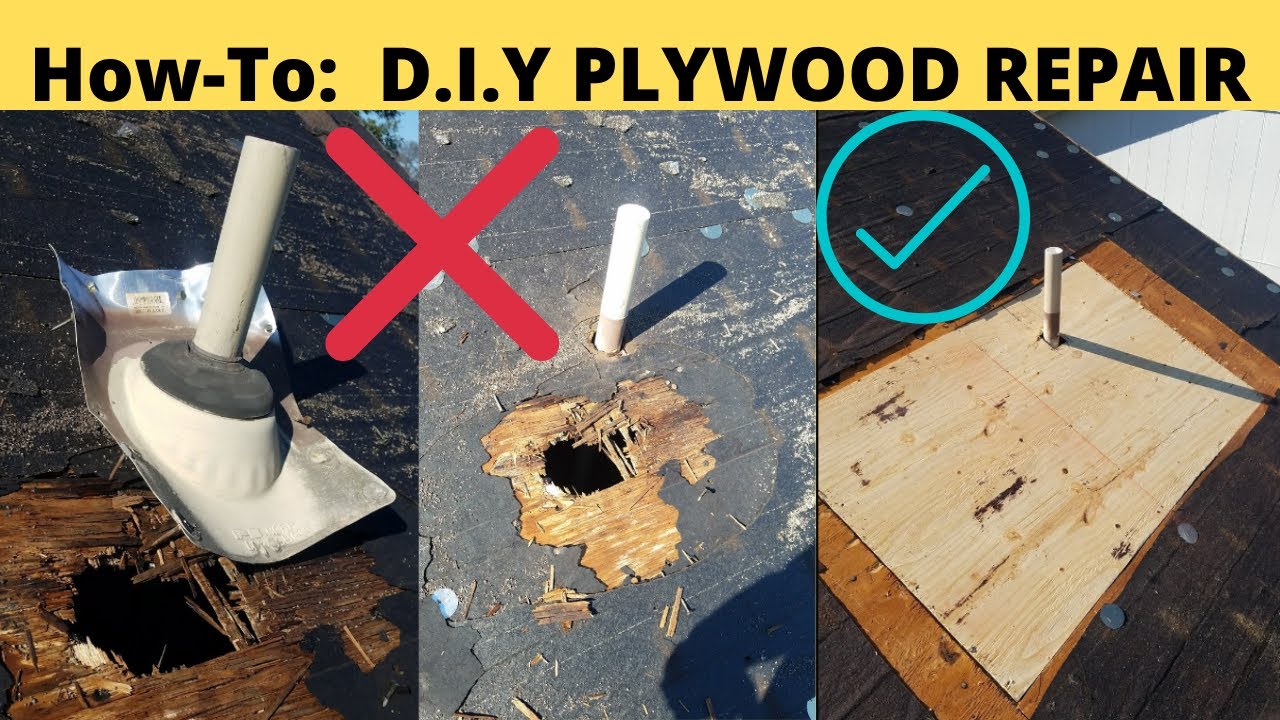
- penetrations, including vents and chimneys
- roof-to-wall transitions where water can collect
- valleys where runoff concentrates
- edges where wind-driven rain can push underneath vulnerable areas
- ridge caps, because those are common high points that still manage water and airflow
You can ask these as normal questions, not as a test. A competent professional will answer clearly, and their answers will also reveal how they think about the roof as a system.
What to do before you commit
If you are considering residential roof installation with tile roofing, take a slow, grounded approach. Gather the facts from roof inspection, ask whether repair is feasible or whether roof replacement is justified, and make sure the contractor’s scope matches the system work that a true replacement includes.
If the roof is actively leaking, prioritize emergency roof repair first so you can stabilize the situation. Then evaluate whether the damage is limited or whether it has expanded into multiple trouble areas. If fire damage roof replacement is part of the story, make sure the contractor does post-event evaluation and explains why repair is or is not the right path.
Your goal is not to rush toward tile because you like the look. Your goal is to install a roof that manages water safely for the hazards it will face, with flashings and underlayment treated as core components, not optional extras.
Tile can absolutely be a strong choice, but the deciding factor is almost always the same one: the quality of the installation and the thoroughness of the replacement scope. When those align, tile roofs stop being a “material choice” and become the kind of roof you rarely think about, except when the weather hits and everything holds.