Commercial Roof Installation: What Professionals Handle
When a commercial building’s roof is in trouble, the problem is rarely just “on the surface.” Heat, wind, rain, foot traffic, and mechanical stress find their way to seams, penetrations, edges, and low spots. A single failure can become a shutdown. A slow failure can become a hidden moldy interior, damaged insulation, or compromised ceilings that only show up months after the first leak.
That is why commercial Roof Repair and Commercial Roof Installation are best handled by professionals who do roof work every day and can evaluate whether the right move is repair, replacement, or emergency stabilization. Industry guidance consistently frames the same reality: small, isolated issues can sometimes be repaired, but older roofs, widespread damage, recurring leaks, or multiple trouble spots may point to replacement. The decision is not based on guesswork, it is based on inspection, documentation, and careful evaluation after the roof tells its story.
The real job behind “commercial roof installation”
Commercial Roof Installation is not just about rolling out a membrane or fastening panels. A professional installation is a system that has to perform as one unit: the roof covering, underlayment, flashing, edges, penetrations, drainage plan, and the way the roof is detailed where it meets walls, curbs, skylights, and equipment.
Even when the building uses well-known materials such as TPO Roofing Installation, EPDM Commercial Roofing, Modified Bitumen Roofing, Commercial Metal Roofing, or PVC Roofing, the success or failure is often determined by workmanship at transitions and penetrations. A clean, well-sealed detail can outperform residential cedar shake roof replacement a newer, poorly detailed area that fails early.
Professionals also think ahead about maintenance and post-install performance. IBHS guidance emphasizes that properly designed, installed, and maintained roofs can significantly reduce damage from hazards like wind, rain, hail, ice, snow, and fire, and that post-event evaluation can identify cases where repair is preferable to full replacement. That mindset matters during installation, because it sets the baseline for what “normal” performance should look like later.
Roof inspection: how professionals decide what’s happening
A Roof Inspection for a commercial building is usually more than a visual look from the ground. Professionals typically inspect the roof membrane, roof edges, flashings, and all penetrations, because that is where failures start and where water usually takes advantage of weaknesses. They also look for patterns that suggest the root cause, not just the symptom.
After storms, the inspection becomes even more important. IBHS notes that roof condition after an event can be evaluated to determine whether repair is preferable or whether replacement is the safer, more reliable option. That matters because a temporary patch can stop water temporarily, but it does not always address the extent of damage across a roof.
A practical inspection is also about documenting what you have, what changed, and what needs to be done next. That documentation helps with internal approvals, insurance conversations, scheduling, and contractor coordination.
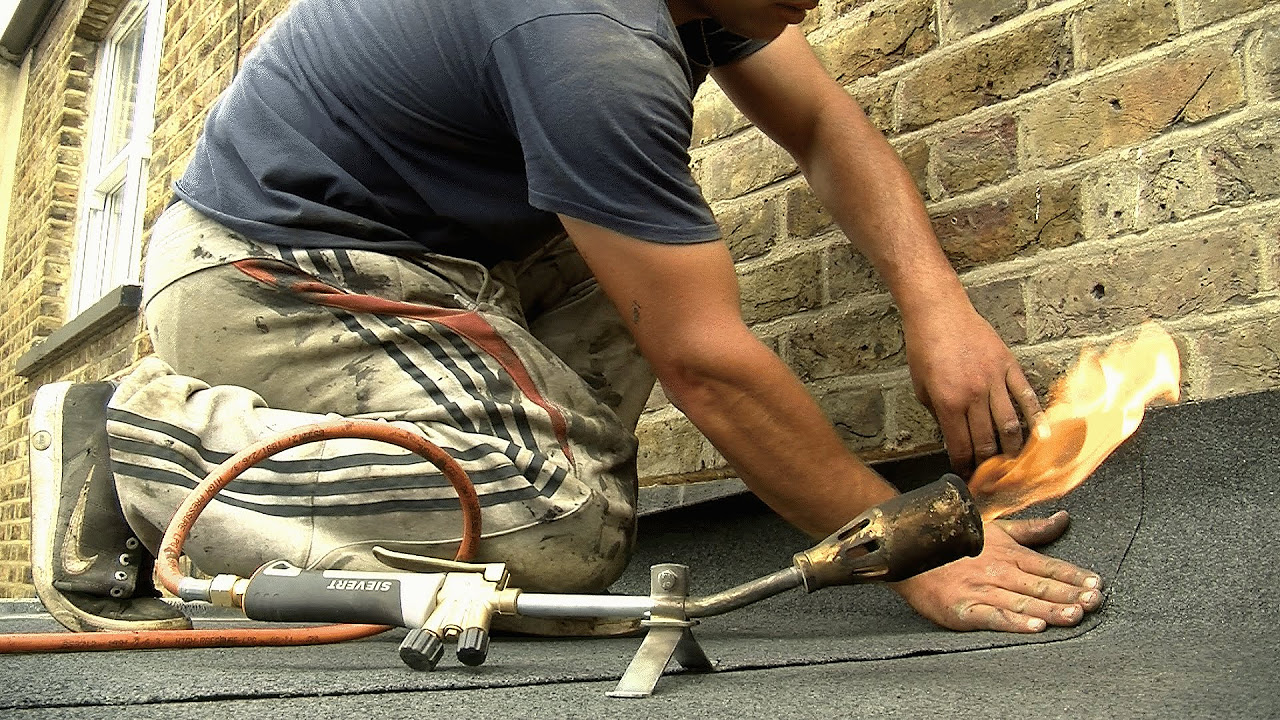
Here’s what a typical Commercial Roof Installation or Commercial Roof Repair evaluation often includes:
- Checking roof penetrations, seams, flashings, and edge conditions for signs of failure
- Identifying areas of damage that could indicate widespread problems, not isolated leaks
- Looking for patterns of water entry that suggest the path water takes, not just the spot where it shows up
- Reviewing roof age and condition trends, especially where recurring issues have happened
- Creating a repair or replacement recommendation based on the observed scope and conditions
That last point is where the “professional judgment” lives. Roof work can look similar from the outside, but the correct decision depends on the condition of the system, how extensive the problem appears to be, and whether the building has recurring Roof Leak Repair needs.
Repair versus replacement: the judgment call that affects everything
One of the most helpful rules of thumb in roofing is simple: small, isolated problems can often be repaired, while older roofs, widespread damage, recurring leaks, or multiple trouble spots may justify replacement. This is consistent with guidance from major roofing manufacturers and general industry practice.
But the real-world nuance is how you define “small” and “widespread,” and how you interpret “recurring.” A roof that leaked once and dried out may be different from a roof that has a history of Roof Leak Repair in multiple locations. Likewise, a visibly damaged area might not be the only damaged area. Professionals often have to infer hidden effects, especially in layered systems where the top layer can fail while the layers underneath hold water longer than expected.
IBHS also points out that post-event evaluation can identify when repair is preferable to full replacement. That means professionals do not automatically recommend replacement after every storm. If the evaluation shows limited damage that can be corrected reliably, repair may be the better route for cost control and for minimizing disruption.
Still, repair has limits. Professionals will often consider the roof’s age and the number of areas needing attention. If the roof is nearing the end of its service life or shows repeated trouble spots, replacement can be the more practical move. Repairing one section after another can become a cycle, and the cost can creep upward while the underlying roof system continues aging.
Emergency Roof Repair: what changes when water is involved
Emergency Roof Repair is its own category because time affects outcomes. When water enters a building, the goal is not only stopping the leak. The goal is also limiting secondary damage to finishes, insulation, electrical components near penetrations, and the building’s interior.
Professionals treat emergency work as stabilization first, then assessment. That sequence is important. If an emergency response turns into a premature “repair and forget” job without a full Roof Inspection, the building can end up repeating the same problems.
A common scenario looks like this: after a storm or a sudden failure, a leak appears in a ceiling or near a roof penetration. The contractor responds, checks for the entry point, and performs emergency measures that protect the interior. Then, once conditions allow, they expand the evaluation and develop either a repair plan or a replacement recommendation.
That approach aligns with the broader guidance that post-event evaluation can determine whether repair is preferable to full replacement. It also keeps emergency decisions from locking you into the wrong long-term path.
The typical commercial roof replacement scope professionals handle
When the recommendation is Commercial Roof Replacement, it generally includes more than removing the visible roof surface. The replacement scope usually follows a workflow that addresses the roof system as a whole.
A typical roof replacement includes removing old roofing materials, installing new underlayment and roofing materials, replacing flashings and ridge caps, and cleaning up the site. That breakdown is a general description of what replacement work commonly includes, and the specific sequence varies by roof type and the building’s details.
Professionals handle those steps because the details matter. Flashings and edges are where water management is won or lost. Underlayment decisions affect how moisture moves during storms and how the roof performs under temperature swings. Cleanup and jobsite control are not cosmetic. They protect drainage systems, prevent debris from blocking roof surfaces, and reduce the chance that leftover materials become future problems.
Even when the roof style is flat, low-slope, or otherwise specialized, professionals approach it as a system. This is where Flat Roof Installation and Repair experience shows up. Flat roof systems are especially sensitive to how water drains, how seams are detailed, and how penetrations are Commercial Roof Replacement flashed.
Materials professionals work with, and where experience matters most
Commercial roofing materials are diverse, and the “right” material depends on the building’s design, local conditions, roof plan, and performance goals. For this reason, Commercial Roof Repair and Commercial Roof Installation decisions should not be reduced to brand names or material trends.
In practice, professionals can install and maintain systems such as:
- TPO Roofing Installation
- EPDM Commercial Roofing
- Modified Bitumen Roofing
- Commercial Metal Roofing
- PVC Roofing
The important part is not only which material is used, but how it is integrated into the roof system. Water management happens at seams, laps, terminations, penetrations, and interfaces with other building components. A roof that looks fine across a wide field can still fail at a few critical transitions.
This is also where “judgment” comes in during repair decisions. If a professional finds damage limited to a specific area and can restore the system with reliable detailing, repair may be the better choice. If the damage suggests broader system deterioration or multiple trouble spots, replacement can prevent the recurring pattern that turns repair into a long-term expense.
Roof replacement cost: what professionals base it on
Roof Replacement Cost is one of the first questions building owners ask, and it is also one of the hardest to answer without seeing the roof. Even with accurate measuring and material selection, costs vary based on roof size, material choices, and project complexity.
One published benchmark for an asphalt shingle Roof Replacement cost reported an average of $14,959 in 2023, with the reminder that actual cost varies by roof size, materials, and complexity. That figure relates to asphalt shingle roofs, which are common in residential work, but it is still useful as a reminder that average pricing is not a contract price.
For commercial buildings, the drivers are often different. Roof systems can be larger, roof sections can be staged to keep businesses operational, and the scope can include removing old materials, replacing underlayment, and updating flashings and other roof components. In other words, cost is tied to scope, and scope is tied to inspection findings.
A professional recommendation that is grounded in Roof Inspection results is the best starting point for cost expectations. If the inspection shows a repairable, localized problem, the cost path is straightforward. If it shows widespread damage or a roof approaching the end of its service life, replacement becomes the more predictable way to manage risk.
Why roof age and condition drive the repair versus replacement decision
Roofs age differently depending on exposure and system quality. In the residential market, manufacturers cite typical service life ranges for asphalt shingle roofs. For example, Owens Corning says an asphalt shingle roof generally lasts about 20 to 30 years. Architectural shingles are a premium laminated type of asphalt shingle, but the key takeaway is that roof longevity is measurable in years and affected by condition.
Even though commercial roofs are often made from different materials, the decision logic is still similar: age and condition matter. A roof that is still performing as expected may allow targeted Roof Repair. A roof that shows a history of leaks, multiple trouble spots, or widespread damage is more likely to need replacement.
Manufacturers and guidance highlight the same core logic: small isolated problems can often be repaired, while older roofs, widespread damage, recurring leaks, or multiple trouble spots may justify replacement. That is not a guess, it is a risk-based decision that professionals make using observed conditions and documented evidence.
A practical example of how the decision usually plays out
A commercial building owner calls after a storm. A ceiling tile near a roof-mounted unit is wet. The initial response is emergency stabilization to stop water entry. A contractor performs a Roof Inspection focused on the penetration and nearby flashings.
They find evidence of damage around an area that looks consistent with storm-related stress. If the damage is truly limited and the surrounding system looks sound, the contractor may recommend Roof Leak Repair targeted to the affected details. If, however, they also see several separate trouble areas and indications of broader system deterioration, the recommendation shifts toward Commercial Roof Replacement.
This is where professionals separate “a leak” from “a system problem.” A leak can be one visible point of failure, while water has multiple pathways and the roof has multiple weaknesses. That is also why IBHS emphasizes post-event evaluation, since it helps identify whether repair is preferable to full replacement based on how the roof actually performed after the event.
Coordination and disruption: the part people do not see
Commercial roofing work has operational constraints. Even without naming specific procedures, professionals have a way of scheduling and staging work to reduce building disruption. Emergency Roof Repair may focus on immediate protection first, then expansion of the scope when interior conditions and weather allow.
During replacement, contractors typically remove old materials, install new underlayment and roofing materials, replace flashings and relevant components, and clean up the site. That sequence affects when areas can be accessed, how equipment is moved, and how debris is contained.
Professionals also plan for the roof after the job. A roof installation or Roof Replacement should include final cleanup, a handoff process, and documentation that reflects what was done and where. That documentation is what you rely on later if a Roof Inspection reveals a future concern.
Working with contractors on Commercial Metal Roofing and other systems
Commercial Metal Roofing and other sheet or membrane systems can be robust when detailed correctly, but performance still depends on installation quality and the condition of flashings and edges. Metal roofs can be strong, yet failures can still show up at transitions where different materials meet, where penetrations disturb the plane, or where drainage patterns concentrate water.
PVC Roofing, EPDM Commercial Roofing, TPO Roofing Installation, and Modified Bitumen Roofing all require the same kind of professional attention to detailing. The installation method and material selection matter, but workmanship at critical boundaries is where the roof earns its reliability.
Professionals generally bring experience with these systems that goes beyond surface familiarity. They know how to inspect for signs of failure, how to evaluate whether damage is localized, and how to decide whether repair will hold up or whether replacement is the better strategy.
Repair signs that push toward replacement
Sometimes the inspection reveals that repair is possible in theory but risky in practice. The question becomes, will the building keep having Roof Leak Repair issues in the same season or the next year?
Here are some common inspection findings that often lead professionals to favor replacement over repeated repairs:
- Older roof age paired with widespread damage patterns
- Recurring leaks at multiple locations over time
- Multiple trouble spots that keep showing up after repairs
- Evidence that the damage is not isolated to one detail
- Storm or fire-related roof condition changes that affect more than one area
This aligns with the rule of thumb used widely in the industry: isolated problems can often be repaired, while older roofs, widespread damage, recurring leaks, or multiple trouble spots may justify replacement.
If you need more than emergency work
Emergency Roof Repair can be the fastest path to protecting the interior, but it is not always the final answer. Buildings benefit from a planned follow-up after stabilization. That follow-up is where a deeper Roof Inspection clarifies whether the roof needs targeted repair, broader Commercial Roof Repair, or full Commercial Roof Replacement.
IBHS guidance supports this approach by emphasizing post-event evaluation. After a storm, hail event, wind event, or other hazard, a roof can be damaged in ways that are not obvious right away. Evaluation can identify repair-possible cases, but it can also reveal when the safer decision is replacement.
In practice, that means the professional team doesn’t just patch a leak and move on. They document the condition, compare what they find to the roof’s history, and make a recommendation that is defensible, not just convenient.
The lived reality: trust comes from the recommendation, not the sales pitch
You can tell when a contractor is treating a commercial roof job responsibly. It shows in how they explain the decision. Instead of selling one default solution, professionals talk through what they observed during Roof Inspection, why it suggests repair versus replacement, and what parts of the roof system need attention.
That is why major manufacturer guidance generally encourages homeowners and owners to use professional contractors to decide whether repair or replacement is best. The roof is not a simple patch-and-pray situation. It is a layered system that either controls water reliably or it does not.
A good contractor will also be direct about trade-offs. Repair can reduce immediate disruption, but it requires confidence that the damage is truly isolated. Replacement can be more disruptive upfront, but it can eliminate the cycle of recurring fixes when the roof is at the end of its useful life.
Roof Replacement After Leak is often where that trade-off becomes painfully clear. A roof that leaked once may be repairable, but a roof that repeatedly leaks after repairs is usually signaling that the problem is bigger than the last patch.
Questions owners should ask before work begins
Even a strong contractor will work better with a clear scope and aligned expectations. Owners can keep things efficient by asking questions early, especially if the building has downtime constraints or budget timing requirements.
You want to understand what the contractor will do during Roof Repair or Roof Replacement, what the inspection findings indicate, and how the team plans to handle flashings, penetrations, and edges. A roof job should not be vague. The scope should reflect what the roof needs, not what is easiest to sell.
If the conversation starts and ends at “we can repair it,” ask to see the basis for that recommendation. If the contractor leans toward replacement, ask what observations point to widespread damage or recurring trouble spots. That keeps the decision grounded in evidence from the Roof Inspection, not in generic assumptions.
Final thought professionals leave you with
Commercial roofs fail in predictable ways when water finds pathways the system cannot resist. Professionals handle Commercial Roof Installation, Commercial Roof Repair, and Commercial Roof Replacement by treating the roof as a system, not a single surface, and by using evaluation after hazards to determine whether repair is preferable to full replacement.
When you are facing Roof Repair, Roof Leak Repair, or Emergency Roof Repair, the most valuable thing a contractor brings is not just labor. It is diagnosis, documentation, and practical judgment about whether small isolated issues can be corrected or whether roof replacement is the more reliable route. That is how a building owner avoids the expensive cycle of repeating temporary fixes and gets to a roof that will actually perform through the next storms, seasons, and years.